
The Importance of UX Design in a Digital World
Introduction
In our increasingly digital and interconnected world, user experience (UX) design has emerged as a critical element in the success of any digital product or service. Whether you're using a smartphone app, shopping online, or navigating a website, your experience as a user plays a pivotal role in determining whether you'll continue to engage with that platform. This article explores the significance of UX design and why it matters more than ever in today's digital landscape.
What is UX Design?
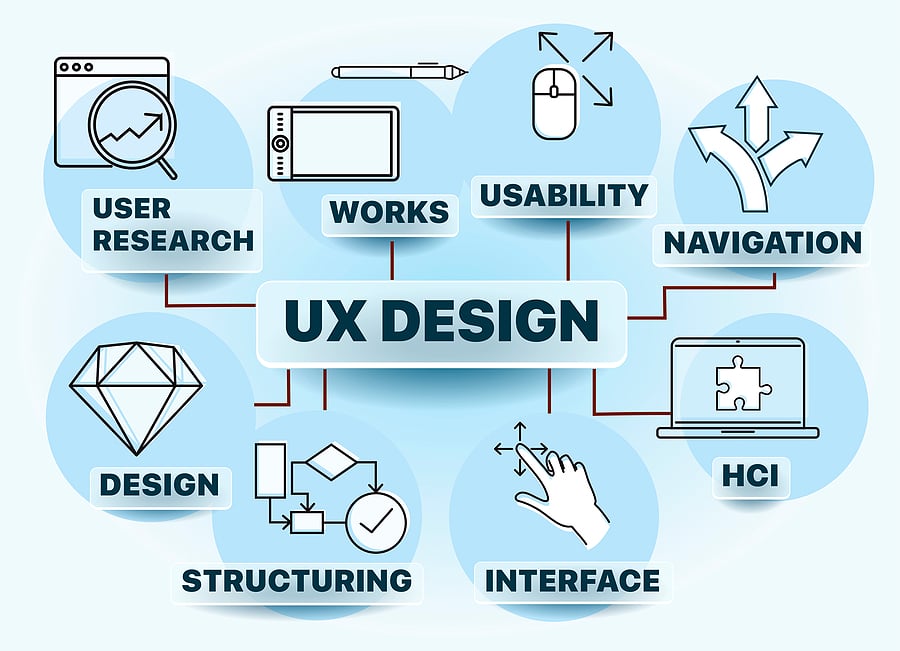
User experience (UX) design is the process of creating products or services that are not only functional but also enjoyable and meaningful for users. It encompasses various aspects, including user research, interface design, usability testing, and information architecture. The primary goal of UX design is to ensure that users can easily and efficiently interact with a digital product while deriving value and satisfaction from the experience.
The Role of UX Design
Enhances User Satisfaction:
One of the primary purposes of UX design is to prioritize user satisfaction. By understanding the needs, preferences, and pain points of users, designers can create interfaces and interactions that resonate with their audience. When users are satisfied with their experience, they are more likely to return, engage, and recommend the product or service to others.
Improves Accessibility:
Accessibility is a fundamental aspect of UX design. Designing with accessibility in mind ensures that digital products can be used by people with disabilities, creating a more inclusive and equitable digital environment. Accessibility features not only benefit those with disabilities but also improve the overall user experience for everyone.
Boosts Conversion Rates:
For businesses, UX design can directly impact conversion rates. When users find a website or app easy to navigate and understand, they are more likely to complete desired actions, such as making a purchase, signing up for a newsletter, or requesting more information. A well-designed UX can lead to higher conversion rates and increased revenue.
Reduces User Frustration:
A poorly designed user interface can lead to user frustration and abandonment. Users today have little patience for confusing layouts, slow-loading pages, or broken links. A well-crafted UX minimizes these issues, making the user's journey smooth and enjoyable.
Enhances Brand Reputation:
UX design plays a pivotal role in shaping a brand's reputation. A positive user experience can lead to higher user trust and brand loyalty. Conversely, a negative UX can damage a brand's image and drive users away. Building a positive reputation through UX design can lead to long-term success.
Drives Innovation:
UX designers are at the forefront of innovation in the digital space. They are responsible for envisioning new ways for users to interact with technology and creating solutions that address evolving user needs. UX design fosters innovation by pushing the boundaries of what is possible in the digital realm.
Conclusion
In a world increasingly dominated by digital experiences, UX design has never been more critical. It serves as the bridge between technology and users, ensuring that digital products and services are not just functional but also enjoyable and accessible. The importance of UX design extends beyond business metrics; it shapes how we interact with the digital world and can significantly impact our quality of life. As technology continues to advance, the role of UX design will only become more vital in shaping our digital experiences for the better.
Unlock success today! Purchase now.
Enregistrer un commentaire